Fieldwork in Cordón Caulle
January 2026
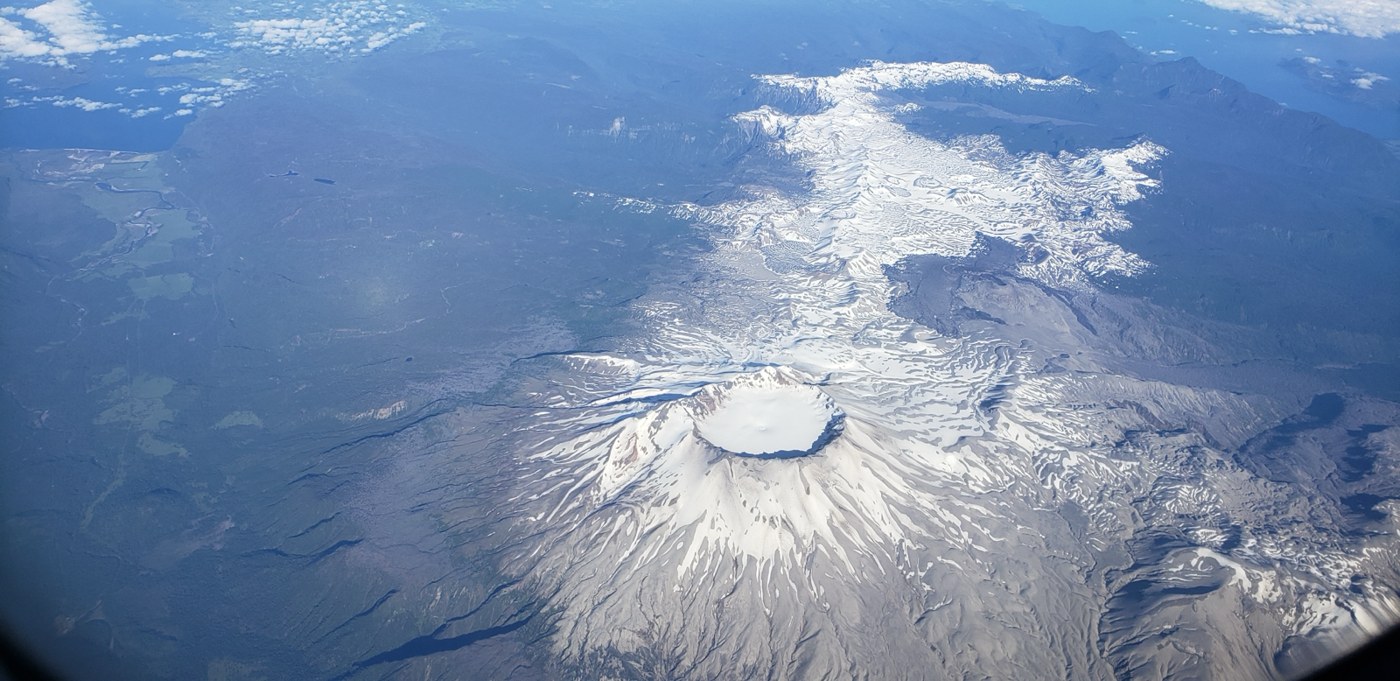
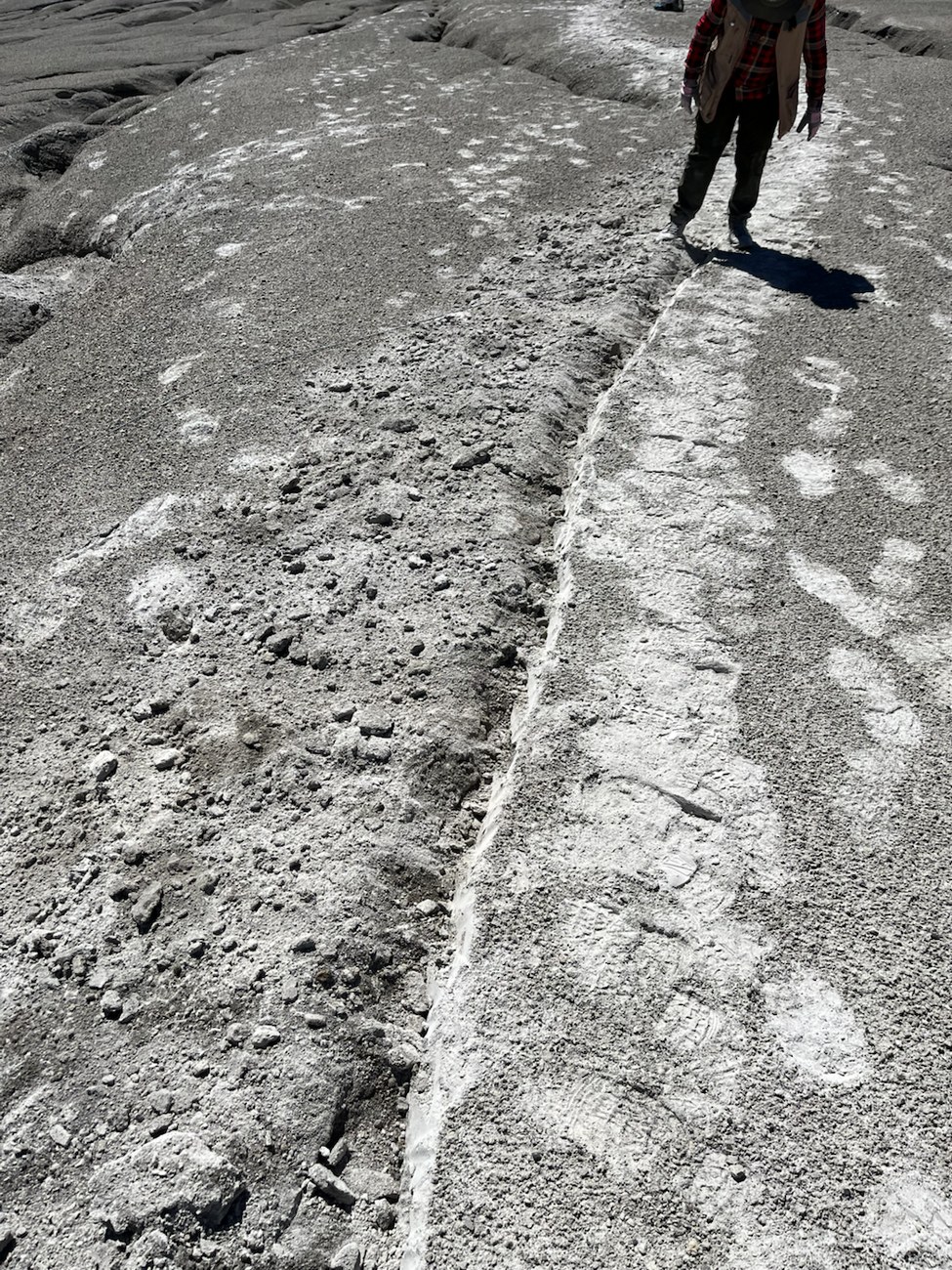
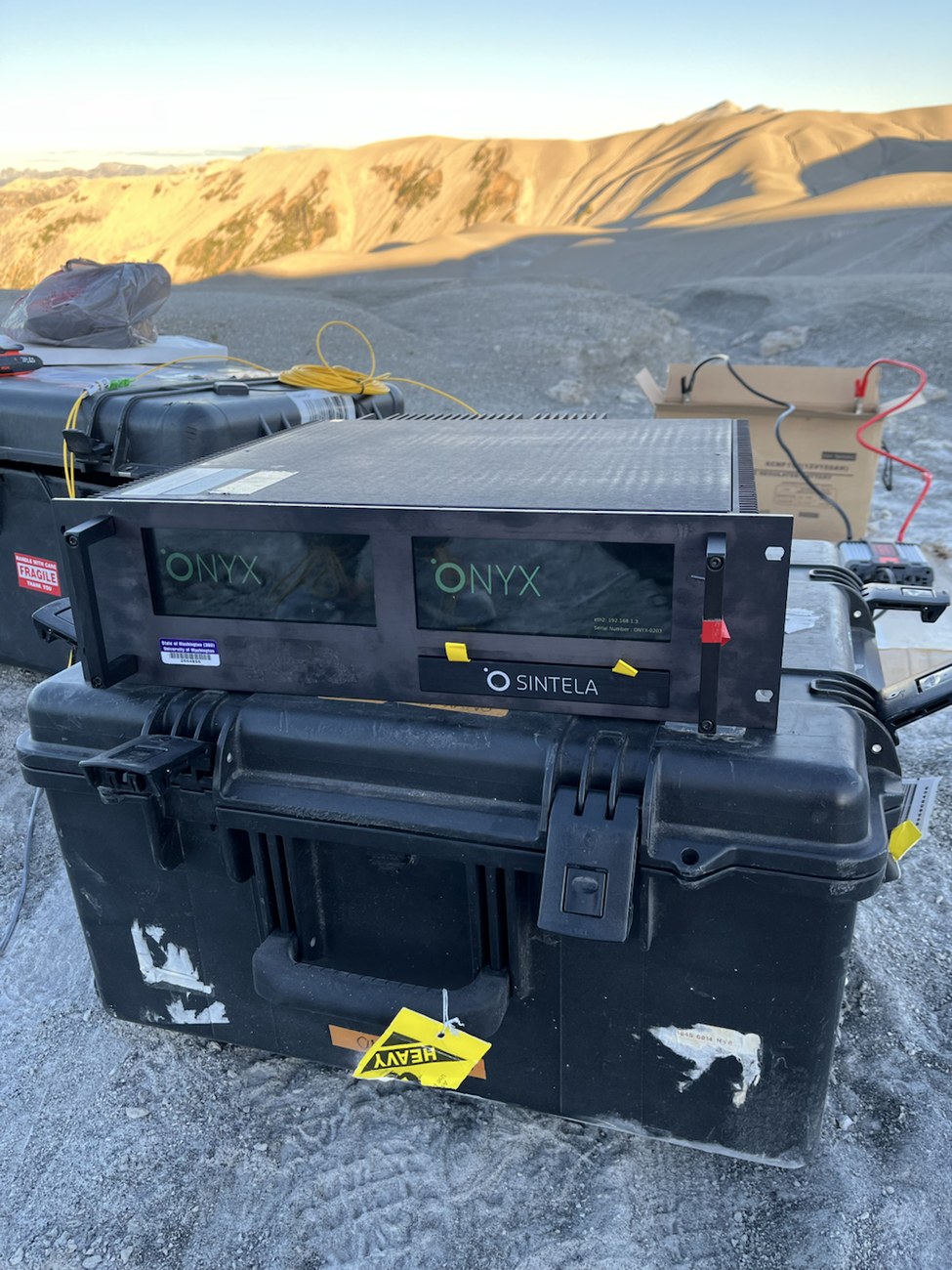
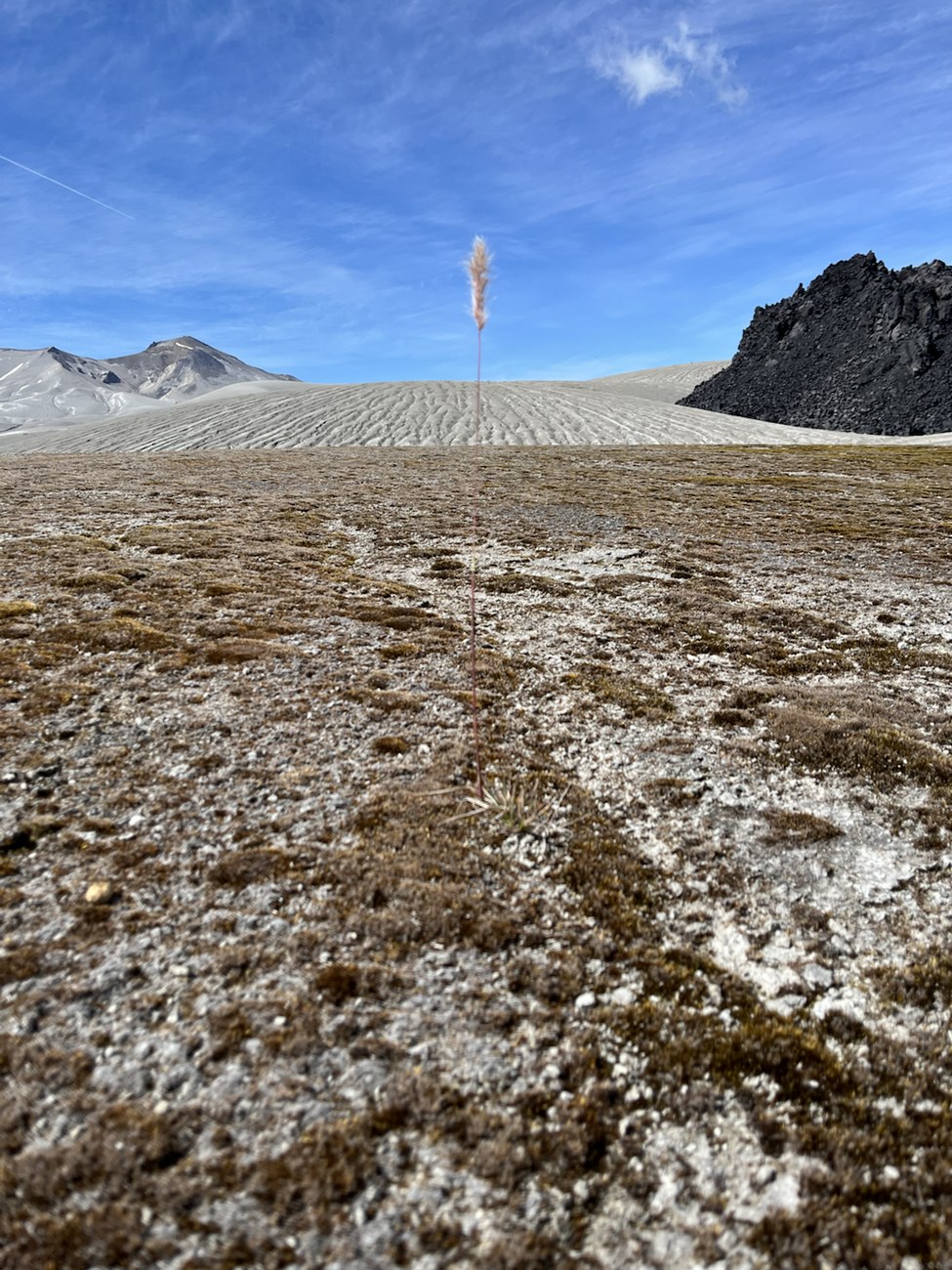
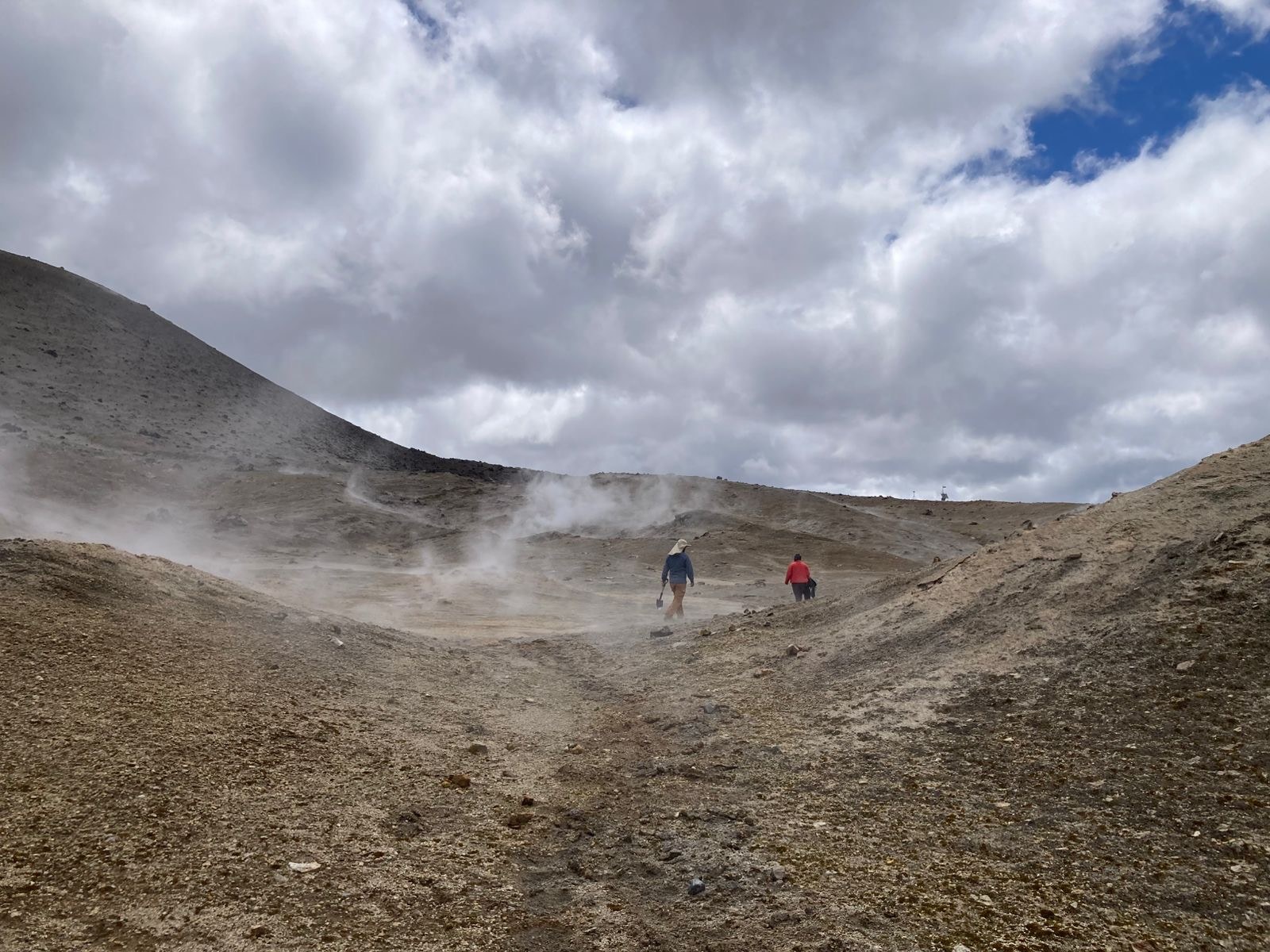
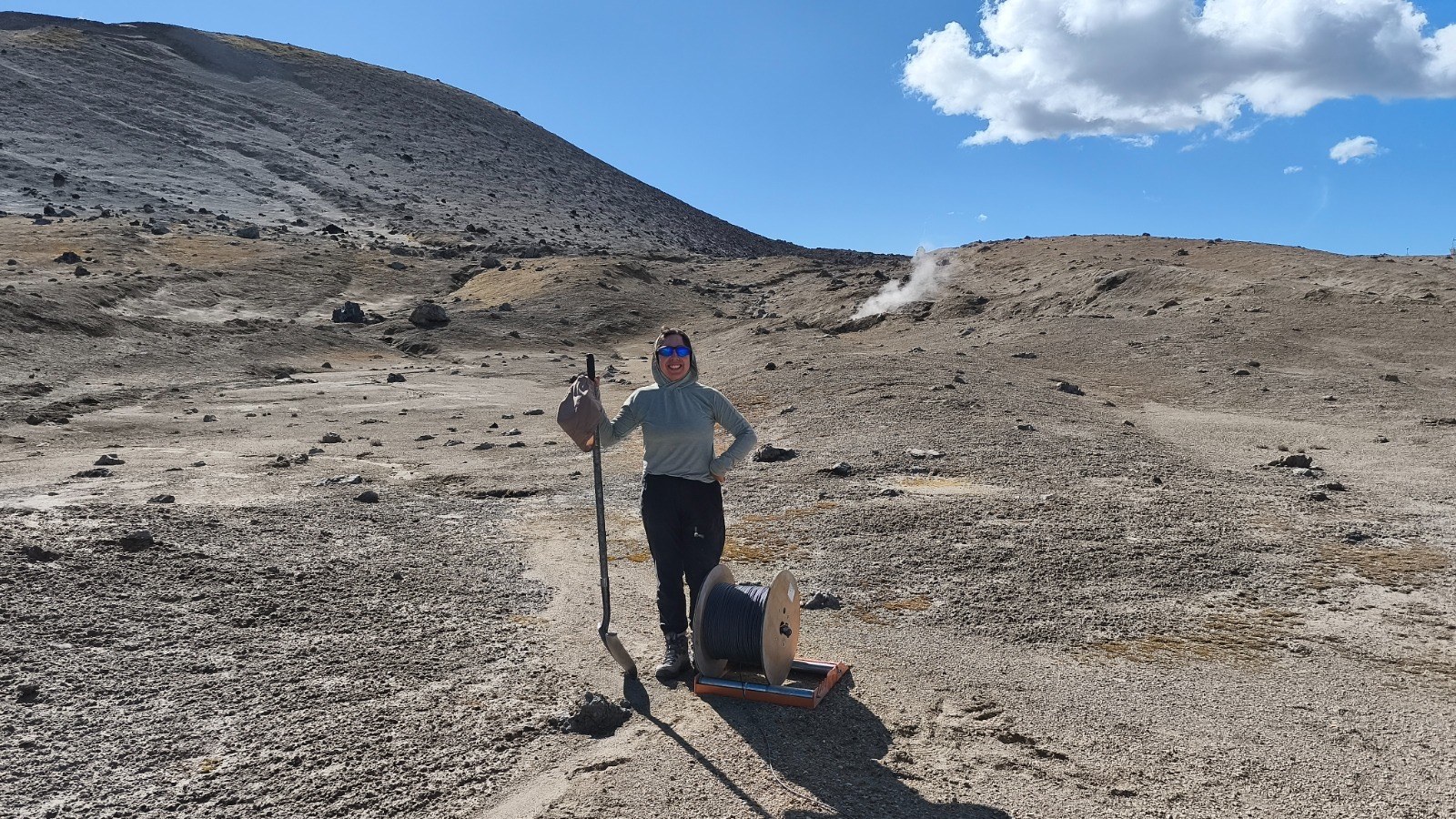
Fieldwork in Cordón Caulle focused on connecting volcanic deposits, field observations, and fiber-optic sensing with questions in volcano seismology. We will use ambient-noise imaging to reveal details of the volcanic plumbing system.
Fieldwork
Cordón Caulle is a volcanic environment where field observations are essential for understanding the landscape, the deposits, and the geometry of possible sensing deployments. This work connects my interest in DAS with volcano monitoring and earthquake detection, and it will use ambient-noise imaging to reveal details of the volcanic plumbing system.
Takeaways
- Field observations help connect volcanic deposits with geophysical measurements.
- Fiber-optic sensing can add dense spatial information to volcano monitoring.
- Ambient-noise imaging can help reveal details of the volcanic plumbing system.
- Cordón Caulle is an important natural laboratory for studying volcanic processes.